A Writer in the Spotlight – Aimee L. Salter

A Writer In The Spotlight Logo

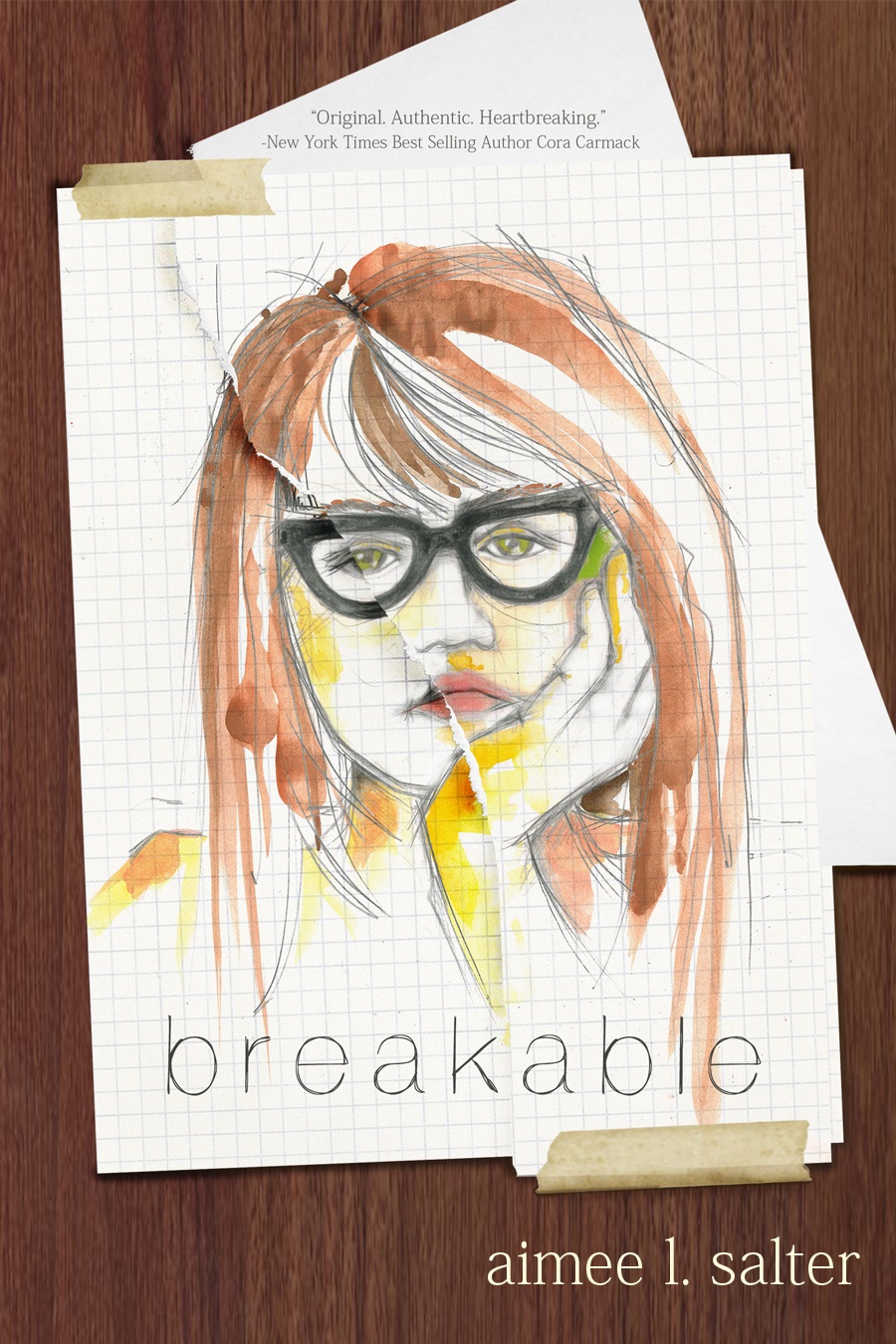
This week again I was lucky enough to have a YA author give me an exclusive interview! You may remember I interviewed the wonderful Aimee L. Salter back in November 2012. At the time, she was an agented writer with a book on submission and I asked her questions about her writing process. Since then, Aimee has chosen to self-publish her amazing debut, BREAKABLE, which came out on Monday 4th November 2013. This time, I’m interviewing her about her self-publishing adventure…

Aimee L. Salter2

Author : Aimee L. Salter

Genre : Young Adult, Magical Realism

Location: Oregon, USA

Contact: Blog, Twitter, Facebook

Bio: Aimee L. Salter is a Pacific North-Westerner who spent much of her young (and not-so-young) life in New Zealand. After picking up a Kiwi husband and son, she’s recently returned to Oregon. She writes novels for teens and the occasional adult who, like herself, are still in touch with their inner-high schooler. Aimee is the author behind Seeking the Write Life, a popular blog for writers.

My interview (22d October 2013)

Where did you get the inspiration for your book?

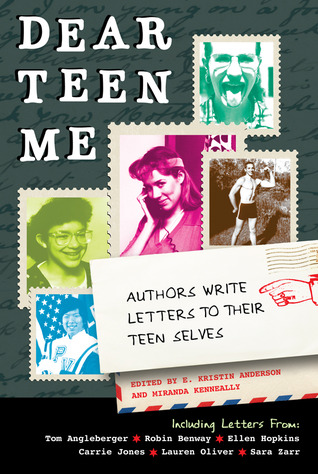
In early 2011 I was reading the website www.dearteenme.com, in which published authors write letters to their teen selves. As I kept reading and reading (you know, one of those days when you should be doing something else, but a website catches your attention and you just keep reading “one more post”?) one sentiment was a recurring theme in the letters. Many of them, very early in the piece, said something along the lines of “I know you won’t listen to me when I tell you this, but…”

That got me thinking – what if I could actually talk to my sixteen year old self. That line would be paramount in my letter because I know if we could sit down, she’d nod and smile, maybe even think I was right, but go ahead and do whatever she wanted anyway.

As I chewed that over – what I’d say to try and make her listen; what approaches I might take that might actually get through to her; it just kind of came to me. I could see these two versions of this one person, both with feelings and thoughts based on their point in life. Both with the same hurts and wounds – but different perspectives on them…

Anyway, I started writing that afternoon, more for my own interest than anything else. It was a hard book to write. But I’m glad I stuck with it!
DTMfinalcoverwithbleeds2

Your book has just come out. Can you tell us about your (complicated!) path to publication?

Gosh, complicated is right! Well, when I wrote Breakable (then called Listen to Me), I was trying to get another book, an urban fantasy, published traditionally. Unfortunately, I’d “broken up” with my agent the year before, and I was having trouble finding a new agent for it. It took another year to refine Breakable and get an agent for it.

Brittany Howard (AKA: NYT, USA Today, International and everything else Bestselling author, Cora Carmack) picked my book up in August 2012. By November of that year her own author career took a massive leap. We were still working, revising, and submitting to editors when in June of this year she admitted she just didn’t have the time to agent anymore.

But she still believed in my book and wanted to help it find a home, however I chose to do that. So, after a couple weeks of discussing, chewing, praying, and, yes, freaking out, I decided to go ahead and self-publish Breakable rather than look for another agent (there were all kinds of legal rigmaroles I’d have had to jump through, not to mention that with the editors we’d already seen, some agents would be concerned their “pot” had shrunk).

So… here we are! “Cora Carmack” blurbed my book and is busily promoting it to her entire network (can’t TELL you how grateful I am for that!) and Brittany also has a useful network of bloggers and reviewers who’ve jumped on board to help too.

All in all, there’s no guarantees for any kind of self-publishing venture. I know that better than anyone. But I also know my book couldn’t get a better chance than this. So if it doesn’t “make it”, then it wasn’t ever going to anyway!
BREAKABLE

Getting your book out there was quite a bumpy ride, did you have moments when you thought of giving up? (If yes, what made you carry on?)

Yes. And yes. And yes. And YES. (Did I mention, &#$% YES?)

I think every writer goes through those moments (or weeks, or months – even years) where they believe it’s pointless. Or just too hard. I certainly have (and do!) but there were two reasons I never actually let go:

  1. I think this is what I was meant to do. I think God wants me to do it. I know I want to do it. And frankly, even if I never tried to publish another word, I’d keep writing – so why not try if I’m going to be carving these worlds out of nothing anyway?
  2. Every time I’d start to feel like giving up, something would happen to encourage me. I’d feel like I just couldn’t get the story to do what I wanted – then someone would read it and rave. I’d feel like my writing was poor, then I’d send the manuscript in for a critique clinic and (besides all the useful criticism) I’d get unsolicited praise for my writing. When I was (nervously) looking for an agent I got a really good response to the query. When I kept getting rejections or R & R’s I wasn’t comfortable with, I attended WriteOnCon and got several new, unsolicited requests. Then when nothing came of that and I was discouraged, I got an offer from a small, independent press. Then Brittany offered to represent me – and she turned out to be PERFECT for me. On and on and on… the number of times I’d start thinking “I can’t do this anymore”, then something good would happen…well, it just picked me up. I had to keep going. Those little stories continue to this day!

What were the challenges of self-publishing your book you didn’t expect?

Hmmm… how much time do you have? I mean, don’t get me wrong, there’s been some pleasant surprises in the self-publishing process. So it hasn’t been all bad. But I’d been researching self-publishing for two years. And I had the advice and foresight of a very successful self-published author. I felt like I was going into it prepared. But there’s some things you just can’t understand until you get into them.

Like, the fact that so many reviewers and bloggers just flatly refuse to look at self-published books. I actually knew this, but I hadn’t anticipated how widespread it was. I even understood why people did it (I have turned down more self-published author review copies than I care to count for my blog, and I don’t run a “big” blog). But being on this side of the coin… it actually made me angry. “What, so just because I have “self published” next to my name, you won’t even look?

I also “knew” that the formatting process was complicated. But when you’re working through it – even with the good advice that I’ve been given ahead of time, and the fact that I’m a genuine, advanced user of the Microsoft suite, I am surprised on a daily basis at how one, tiny little slip or miss can make such a big difference to the appearance or professionalism of my book. It’s frightening actually.

But I’d say the biggest thing, and something I didn’t anticipate at all, is the fear of and sense that I’m “going it alone”. I mean, I went into this with a lot of support. My husband is behind me 100%. I have a bestselling author promoting me and blurbing my book. I have an awesome community of writers and bloggers (like you, Eve!) who are encouraging me and supporting me.

I didn’t anticipate that, when push came to shove, I’d feel so isolated by this process. The success or failure of this book is squarely on my shoulders, because I’ve done all the work. Sure, I’ve had editorial critique, and designers involved. But all the decisions are mine. The final buck stops with me on everything.

One the one hand, there’s something very freeing about that. I can do exactly what I want to do and I don’t have to answer to anyone else about it.

But on the other…no matter what the product, there’s no one actually behind it except me. If there is criticism, I can’t say “well, such-and-such made me do that”, and if there’s failure I can’t say “well, the press should have do thus-and-so.” It’s just me.

Of course, if there’s success, I get the kudos too. But let’s be honest, failure is a MUCH more likely scenario in this game. I’ve had to power through that on a mental and emotional level and prepare myself for it. I do feel prepared now. But I definitely wasn’t a couple months back. It’s an interesting ride!

Thanks, Aimee!

Thanks for having me, Eve.

Add BREAKABLE on Goodreads.

Enter a contest to win BREAKABLE here.

Buy BREAKABLE for Kindle, Nook and in paperback.

I’ve been interviewed! via The Great Noveling Adventure

Hello gentle reader,

a quick post today to let you know I’ve been interviewed by the Great Noveling Adventure ladies about my manuscript LILY IN THE SHADOWS. You can read the interview here.

Have a good week!

I’ve been interviewed! Future Shelves with Serena Lawless

Hello gentle reader,

the ever awesome Serena Lawless has interviewed me on her blog as part of her Future Shelves feature. I couldn’t be more proud to find myself among so many talented writers. In this interview, I talk about LILY IN THE SHADOWS and what inspired me to write this story. You can read the interview here.

A Writer in the Spotlight – Aimee L. Salter

This week again I was lucky enough to have a YA author give me an exclusive interview! The idea behind the “Writer in the Spotlight” feature is that authors are the best source of advice for us, would-be-published writers. So today’s interview is a bit different because Aimee L. Salter is not published yet. However she has an agent and she is awesome, so I couldn’t resist interviewing her any longer!

Author : Aimee L. Salter

Genre : Young Adult, Magical Realism

Location: New Zealand

Contact: Blog, Twitter

Bio: Hailing from the Pacific Northwest, but recently sighted in New Zealand, Aimee is a self-proclaimed coffee aficionado.  She channels the caffeine buzz to wrangle her young son and write books she hopes his high school girlfriend will read. She is represented byBrittany Howard of Corvisiero Literary. While waiting to see what the future holds, she is still writing, studying the craft, and learning more about the rapidly changing industry every day. Her (great) blog Seeking the Write Life shares the things she learned along the way.

My interview (13/11/2012)

On critiquing other writers’ manuscripts (Aimee is an awesome CP!):

Do you think it’s important for writers to have their work critiqued thoroughly and can you explain why?

Quite honestly, I think it’s the most important part of the writing process. Whether your critiques are “professional” (for a fee), or just feedback from experienced writers, what you’re gaining is a skilled reader’s point of view. You’re getting a heads up about where your manuscript is flawed before paying readers take a look. It isn’t fun, but it is very rewarding when you fix those problems and know your book is better for it.

See, whether you get a publishing contract, or self-publish, the end-point is a reader who doesn’t know you from Jack. They haven’t sat down and listened to you talk about your world. They haven’t had coffee with you while you ground your teeth over a tricky scene. They don’t love you and care about your personal success. They’re just looking for a good read. And if your book doesn’t provide that, they’ll move on.

The best kind of critique comes from a writer who has some technical skill, but is also an avid reader. They can assess your book from a reader’s point of view – but offer advice as a writer. They’ll highlight areas of your plot, characterisation or pacing that a reader may find distracting, implausible, or just plain boring.

If you can’t handle the idea of someone telling you your book isn’t perfect, then you want to think really carefully about whether or not you’re cut out for publishing. Regardless of how you publish, you’ll get feedback from readers. Personally, I feel being critiqued in the safety of the hands of another writer who’s helping me make my book better is a much better option than putting my book out there and having readers tell me they don’t like it.

Did you learn anything from critiquing other writers’ WIP?

I learn tons. And I really mean that. The other side of the critiquing coin is that because we’re all too close to our own books (and we know too much about the world and character thoughts / feelings / backstory) we can’t accurately gauge whether our writing is communicating the story we want to tell.

But when we’re reading other writer’s material, we don’t have that backstory to draw on. We don’t know all the little bits and pieces about the world that never make it into the book. We have to take it at its face value. And in that, we can see flaws.

When I’m critiquing I’m often in a position to identify a problem in the manuscript – be it a technical writing issue, an implausible plot, or an unlikeable character. Because I’m analyzing the text, I get to see not just what is wrong, but how the writer delivered that problem.

I can then look through my own writing for that kind of word choice, or plot development, or narration device. Because I’ve seen it in someone else’s work, it becomes easier to identify in my own.

What mistakes do you most often see in the MS you critique?

There are a lot of common themes in the flaws of unpublished manuscripts. I’ve covered some of them in this post. But lately the thing I’ve seen most often is a tendency to over-explain in the narration, or over-state.

Over-explaining is a result of a talented writer (who knows how to “show”), not trusting the reader to understand what they meant. So they quite rightly give all the right cues (body language, dialogue, etc).  But then they round off every paragraph (or sometimes every other sentence!) with a summary of what it all means.

When a writer is over-explaining you’ll get a lot of statements like “I realized he was angry.” Or “If such-and-such was true, then that meant I needed to do this-and-that.”

The solution is to look for any statements that are explaining the progress of the plot or characters and delete them. Just let the character see, hear, smell and (most importantly) react. Your goal is to depict real life. The explaining that’s required in narration is the focal character’s emotions and motivations – not their reaction to the events around them. Those should be shown as a matter of course.

The other common flaw, over-statement, is a result of a writer wanting the reader to understand the impact of something, but not being sure their depiction gets it across. I see it all the time when a heroine meets the hero and insta-love ensues. Suddenly an otherwise succinct manuscript is rife with purple prose describing how gorgeous the guy is, how stunned the heroine is, and how her entire body is consumed with desire / attraction / fear, etc.

My best advice to anyone who thinks they might be falling into that is to pick up a few traditionally published books in their genre and analyze what kind of descriptions are used when the hero / heroine meet (or whatever other gargantuan event occurs). Note that the author rarely (or barely) describes the narrator’s feelings. They focus instead on the stimulus. Be it the strong slant of his shoulders, or the quirk of his eyebrow, the page time is given to the things that create the feelings, not the feelings themselves.

 What are your pet peeves as a critical reader?

How much time do you have? Ha! Lately the thing that’s been bothering me is the “causing” sentence structure. You know the one: “He threw an arm out, causing me to stumble back against the wall.” or “The ripple of his muscles caused my heart to stutter.” While these kinds of statements might be true, they lack real finesse. I far, far prefer a solid stimulus structure: “He threw an arm out. I stumbled backwards, coming up hard against the wall.” or “I couldn’t take my eyes off the ripple of his muscles. My heart hammered against my ribs.”

On getting an agent:

Can you tell us “how you got your agent”?

If you want to go right back to 2009 when I first started trying to get published, I’ve been through well over 100 rejections, an agent who was great but didn’t work out, another thirty or so rejections, then wrote a new (different) book.

I revised my new book a dozen times (including getting eight or nine critiques to help guide my rewrites), wrote a query letter, queried about forty or fifty agents, attended an online writer’s conference, had just over a 30% hit rate on my queries for manuscript submissions. In the end I got offered an independent contract (from a digital-only, royalty paying publisher) and an offer of representation from Brittany Howard (my agent). When Brittany offered there were other agents looking at my full manuscript, but after talking to Brittany I knew we’d be a good fit and I withdrew the manuscript from the remaining agents.

Where are you now in your publishing journey?

Right now I’ve been through one, low-level round of edits for Brittany and am just waiting for her next, more detailed round of edits. Once I’ve completed those (and if I do a bang-up job), Brittany will start submitting my manuscript to editors.

As far as the editing process goes, the thing I like about editing with an agent is I’m confident about the changes. When someone critiques me, or if I were to pay an editor, I’d still be the one in control, so to speak.

When my agent asks for changes I know it’s because she believes those changes will make my book more commercially or technically sound. I’m confident about following her advice, and don’t need to second-guess whether or not I’m going to accidentally shoot myself in the foot.

I’m sure at some point in the future there will be moments when I’ll question advice from Brittany or an editor. But so far, I haven’t hit that. To me, it’s a relief to have someone else guiding the process. Someone with some knowledge of what editors want (Brittany has also worked as an Editor for an independent publisher), who can help me understand why changes are important, and where to focus my energy.

On your book:

What is the genre of your book and what is it about?

My book is currently titled LISTEN TO ME. It’s a YA magical realism (or a YA contemporary with a time-twist, depending on which day you ask). It’s about Stacy, an unpopular, bullied seventeen-year-old who can talk to her future, adult self when she looks in a mirror. Stacy’s dealing with unrequited love, bullying, and a mother who just wants her to be “normal”. The problem is, Stacy has learned that her future self has been lying. A lot. She has to figure out if she can trust her future self’s advice when it appears her future self has been steering her away from all the things she wants (specifically, a relationship with her popular best friend Mark, and popularity / acceptance from her peers). It was inspired by the www.dearteenme.com website, wherein authors write letters to their teenage selves. I love those letters!

When I read some early last year I got to wondering how my teenage self would feel about advice I would give her now if I could. What would happen if we sat down and talked? Would she listen to me? Or would she think I was boring? Would she look at me and think she didn’t want to be like me? Or would she trust my judgment? Needless to say I was inspired and started writing almost immediately. Stacy is a character very, very close to my heart.

Why did you choose to write for Young Adult readers?

I would say I didn’t really choose YA, it chose me. My entire life I’ve always been riveted by high school stories. I guess you could say I never grew out of them. I think it’s because high school was a very negative experience for me. I think I kept wanting to go back and do it differently – or imagine it differently, at least.

My books reflect a desire to rewrite history, to a certain degree. They aren’t “my” stories, but they definitely draw on the feelings, experiences and conflicts I encountered at that time in my life.

What do you think it was THE book that got you an agent? (=what made it special?)

I think LISTEN TO ME has two things going for it. It’s “high concept” (easy to explain in a sentence or two) and there isn’t anything else like it out there right now. It isn’t derivative of something that’s already popular. I know Brittany connected with the story on an emotional level, and that’s what I wanted from an agent. She and I feel the story deeply for different reasons, but she “gets it” like I do. I had several agents who rejected it, but also noted that they’d been moved emotionally by the character and the story. So… I guess it makes people feel. That was always my goal, so I’m excited to see if we can find an editor who feels the same.

On your blog:

You’ve got a successful author platform, what is your advice for writers who are just beginning to blog/tweet/etc ?

Successful blogging takes time, commitment and perseverance. If you don’t have a passion for it, don’t do it. If you do have a passion for it, get focused.My advice is twofold: Focus on what you have to offer other people (not just your own story, but something others can use to benefit themselves) and don’t give up if it doesn’t happen quickly.

On a practical level, use platforms like Twitter and Facebook to connect with people. They aren’t just signposts for your blogposts or your books. They are places to get to know people and let them get to know you. The more time you spend just communicating with people, the more loyal your following will be. And when they’re loyal, they’ll do your promotion for you so you don’t have to.

It took me two years to gain over 500 followers (I’m now just cresting 3000 genuine followers on Twitter, too).  I don’t think my numbers are anything “special”, but they’re solid enough now to create a sense of community. In order to do that I’ve committed time almost every day for two years to talk with people on twitter, comment on blogs, follow blogs / twitter, offer useful information on my blog, and answer emails, etc that people send to me.

It’s a lot of work. But it’s rewarding when you start getting some traction. So, just keep going!

Thanks Aimee!

Thanks for having me, Eve!

A Writer in the Spotlight – Anna Carey

This week again I was lucky enough to have a YA author give me an exclusive interview! The idea behind the “Writer in the Spotlight” feature is that published (and bestselling) authors are the best source of advice for us, would-be-published writers. Today’s interview is with the amazing Anna Carey. Between her busy schedule and emails lost in spam folders, there were times when I thought I would never get this interview, but Anna was SUPER kind and I’m very happy that you can read her answers to my questions today!

Author : Anna Carey

Genre : Young Adult, Dystopian, Contemporary

Location: Los Angeles, USA

Contact: Website, Goodreads, Twitter

Books : The Sloan Sisters series (2009), the Eve trilogy: Eve (2011), Once (2012), Rise (2013)

Bio: Anna Carey has been a gift wrapper, face painter, nanny, horrific cocktail waitress, sofa saleswoman and children’s book editor. She graduated from New York University and has an MFA in fiction from Brooklyn College. She currently lives in Los Angeles, where she can be found writing, reading, and doodling on the giant chalkboard in her kitchen.

My interview (08/11/2012)

On writing:

Did you always know you wanted to be a writer?

I always knew I wanted to be a writer, though it took me nearly a decade to say those words out loud. Growing up I didn’t know any authors, had never been to a book talk or had a writer visit my school. That life seemed like an impossible dream.

When and where do you write?

As much as I try to keep a set schedule, this changes from book to book. My preference is to write at home, on my couch, in yoga pants. It usually takes me eight hours to get five solid hours of work done. I’ve gone through periods where things are different, where I work predominantly in coffee shops or only at night, but the eight hour rule has always proved true.

What do you say to people who want to be writers?

First off, read as much as you can. You learn so much about characters, story, and plot just from reading well crafted books. We’re lucky that there are so many books on writing out there (On Writing by Stephen King, The Faith of a Writer by Joyce Carol Oates, Burning Down the House by Charles Baxter). Add these to your reading list.

Secondly, write as much as you can and finish whatever you start. Strangely, this is the hardest part. Try not to get discouraged by unwieldy first drafts. Try not to judge. Once you finish there will be time to cut, add, rewrite and perfect. Until then…it’s impossible to revise a blank page.

Lastly: Find a few readers you trust. Share your work and learn how to listen to criticism. A useful comment feels like an arrow hitting it’s mark.

On the “Eve” trilogy:

To write these books, where did you get your inspiration from? Were you aware of the coming dystopian trend in YA literature when you wrote “Eve”?

Eve started with a question: What happens when you discover everything you learned is a lie? Would you have the courage to relearn your life?

Publishing is a slow industry. It can take over a year (sometimes two) for a book to go from finished manuscript to published work. That said, once you’re aware of a trend it’s generally too late to write with it. I’m like most of the authors who are writing dystopian now. When I started Eve dystopian wasn’t a huge trend. The first book of The Hunger Games was out, but it wasn’t what it is now. I wrote the story I was interested in, and fortunately the timing was right.

On reading:

Which authors inspire you now?

I just read The Marbury Lens by Andrew Smith, which is creepy and magnificent. If I Stay by Gayle Forman is one of my favorite YA reads, my go-to “if you haven’t read this READ THIS”. Right now I’m on a bit of a Gillian Flynn kick. I finished Gone Girl and am now reading Sharp Objects, one of her earlier books.

Thanks, Anna, for an awesome interview!

Anna’s books are available from Amazon here.

A Writer in the Spotlight – Susan Dennard

Something Strange and Deadly, a YA historical novel with zombies and a steampunk vibe, is out TODAY! And I have the pleasure to interview debut author Susan Dennard about the release and her writing process. As a reminder, the idea behind the “Writer in the Spotlight” feature is that published authors are the best source of advice for us, would-be-published writers.

Author : Susan Dennard

Genre : Young Adult, Fantasy

Location: Germany

Website: http://susandennard.com

Official Book Trailer: http://www.youtube.com/watch?v=bnQuHXPTUP0&feature=youtu.be

Goodreads: http://www.goodreads.com/author/show/4499623.Susan_Dennard

Twitter: www.twitter.com/stdennard

Books : Something Strange and Deadly series: Something Strange and Deadly (2012), A Darkness Strange and Lovely (2013) from Harper Teen.

My interview (22/07/2012):

On writing

Did you always know you wanted to be a writer?

I can’t say that I ALWAYS knew. I didn’t start putting my daydreams onto paper until I was around 13 or so. After that, all my dreams of a becoming a marine biologist vanished in my obsession with writing (though I was a TERRIBLE writer). Of course, I was such a snotty teen, though, that I refused to be taught–I didn’t want to learn to write since I thought I was already amazing. Ha! Then, when I went off to school to major in creative writing, I got side-tracked by marine biology. Funny how those things work!

I still love science and the marine world. College and graduate school were amazing experiences. In fact, the only reason I returned to writing was because my husband and I would have to live apart if I pursued my PhD. So–rather than separate–I moved with him to Germany, started writing (and studying the craft of writing) full-time, and the rest is history! 😉

When and where do you write?

I write in my office everyday. Or…I do something writing-related everyday. I’m very strict about this. My rule is that if my husband is working, I ought to be too! So either I’m BICHOK-ing (butt-in-chair, hands-on-keyboard), revising, or working on “administrative stuff” (emails, blogging, self-promotion, etc.).

What do you say to people who want to be writers?

Do it! Sit down and write. That’s the only way to achieve your dreams–but make sure you dream big too! I think success is three-part: aiming high, working hard, and not giving up. It’s so EASY to let dreams slide away when things take a while or don’t work out as you’d hoped. But you CAN’T give up. My mantra before I was published and to this day is: “It’s not a race. You know what you want, Sooz, so just keep on plugging away until you get there.”

I want to share my stories with as many people as possible, and so that’s what I’m trying to do!

On Something Strange and Deadly

To write this book, where did you get your inspiration from? (How did you come up with a historical novel with zombies?!)

Well, the initial premise came from a dream. My brother was missing; I knew I’d do anything to save him; and the only people who could help  mewere a ragtag team of outcasts. I took that idea and fleshed it out. I knew I wanted a paranormal/creepy element, and I settled on ghosts and corpses after rummaging through what scared me most! It sounds so silly, but honestly, I scanned my shelves trying to pick out which books made my skin crawl. If I was scared, then surely I could transfer that fear onto the page–and nothing creeps me out more than ghouls and zombies!

The historical aspect–specifically 1876–came about because I knew I wanted a steampunk vibe (but not 100% steampunk). I adore 19th century literature and history, and after some preliminary research, I discovered the Centennial Exhibition (the first American World’s Fair). I thought, “Whoa! What a great place for walking corpses! What if…what if my team of outcasts are actually zombie-fighters brought in to protect the Exhibition?”

And that, my friends, is how Something Strange and Deadly came to be.

Why did you choose to write for young adults?

I’m not sure I ever consciously set out to write YA…I just knew I wanted to write a book that I would love. And of all the books I’ve read, the ones that stay with me the most are the books I enjoyed growing up and during my teen years. I knew I wanted to write THAT sort of book, and so…I did! 🙂

 What are you working on now?

Right now, I’m writing the third book in the Something Strange and Deadly series (so weird to work on it when book 1 isn’t even out yet!) as well as a novella set before the events in the trilogy. I’m also working on some other projects–Screechers, an epic fantasy in a desert world; an untitled space opera with author Sarah Maas (Throne of Glass, Bloomsbury 2012); and a fluffy, fun contemporary.

You can buy Something Strange and Deadly on Amazon here. And you can enter the Something Strange and Deadly Outbreak giveaway here.

A Writer in the Spotlight – Lisa M. Stasse

This week again I was lucky enough to have a YA author give me an exclusive interview! The idea behind the “Writer in the Spotlight” feature is that published (and bestselling) authors are the best source of advice for us, would-be-published writers. Today’s interview is with debut author Lisa M. Stasse. Her Dystopian novel,  The Forsaken, is already available in the US and it will be out in the UK on August 2d, 2012.


Author : Lisa M. Stasse

Genre : Young Adult, Dystopian

Website: www.lisamstasse.com

Official Book Trailer: http://www.youtube.com/watch?v=GtIwks26SZU

Goodreads: http://www.goodreads.com/book/show/12987192-the-forsaken

Twitter: www.twitter.com/lisamstasse

Facebook: https://www.facebook.com/lisamstasse

Books : The Forsaken (2012)

My interview (22/07/2012):

On writing:

Did you always know you wanted to be a writer?

Yep, ever since I was in high school. Either a writer or a photographer.

When and where do you write?

I usually write on my laptop in the early hours of the morning (or late at night, depending on how one looks at it!)

Do you ever experience writer’s block?

It hasn’t hit me yet. I hope it never does! I figure it might one day, but hopefully that will be many years and many books from now. 🙂

What do you say to people who want to be writers?

I tell them to read as many books as possible (which is some good advice I got from writers I admired when I asked them) and to write a little bit every single day. I read 3-5 books/week–a mix of YA and adult fiction, with a little bit of nonfiction in there too (I love travel books).

Is it better to outline and plot your novel or “go with the flow”?

I plot everything out because I’m crazy obsessive, but at the same time, I leave some wiggle room to come up with cool scenes and surprises along the way. If everything is too well-planned, then writing scenes can get boring and then the story can lose some energy.

Do you set goals for yourself as you write?

Definitely! I usually try to write a certain number of pages per day (depending on the day and the project) and I often reward myself with coffee or chocolate if I reach my goal. Of course, I often drink coffee and eat chocolate even when I don’t reach my goal, so I’m not sure how well my incentive plan is working out for me! 🙂


On “The Forsaken”:

To write this book, where did you get your inspiration from? Were you aware of the coming dystopian trend when you wrote it?

When I was writing The Forsaken, a few dystopian books were a big deal (The Hunger Games, The Forest of Hands and Teeth, The Maze Runner) but there wasn’t a huge onslaught like there is now. I pretty much wrapped up most of my book in 2010/early 2011. Books just take a while to come out. Having said that, I kind of love the giant wave of dystopian lit. It means people have a lot of choice in what they decide to read.

How did you come up with your characters? What made you choose teenagers as main characters?

Maybe I’m still a teenager at heart! And I think that that age is so great for writing complex characters–I remember when I was 16, I was a total conflicted mixture of extreme optimism and extreme pessimism. I also think teens make great characters as protagonists in a dystopian novel. Dystopians can deal with really serious and intense issues.

What type of music did you listen to when you wrote this book?

My musical tastes are all over the map, from indie rock (The Dirty Projectors, Ryan Adams, Cornershop, Long Winters) to dubstep (Deadmau5, Skrillex) and dance (La Roux), to old school classic rock (Beatles, Neil Young) and to really weird stuff as well (Salem). I also love Florence and the Machine, as well as a lot of singer-songwriters (Cat Power and Feist).

What are you working on now?

I’m finishing up copyedits on Book 2 of THE FORSAKEN trilogy.


Reading advice:

Which authors inspire you now?

Margaret Atwood, Suzanne Collins, James Dashner, JK Rowling, Orson Scott Card, Stephen King, Carrie Ryan, Tahereh Mafi, Jeanette Winterson, Leigh Bardugo, Veronica Rossi, and Veronica Roth.

Any YA books you would recommend?

Divergent, Looking for Alaska, Shadow and Bone, The Hunger Games (obviously!), Paper Towns, The Forest of Hands and Teeth, Shatter Me, Ender’s Game, The Maze Runner (and there’s probably a hundred more but those are the one off the top of my head!).

Thanks for the interview Lisa!

THANK YOU FOR HAVING ME!!! I really appreciate it–it was fun!!! 🙂

The Forsaken will be out in the UK on August 2d, 2012. Buy it on Amazon here.

A Writer in the Spotlight – Kendare Blake

This week again I was lucky enough to have a YA author give me an exclusive interview! The idea behind the “Writer in the Spotlight” feature is that published (and bestselling) authors are the best source of advice for us, would-be-published writers. Today’s interview is with the ever awesome Kendare Blake, whose YA ghost story Anna Dressed In Blood is one of my favourite books.


Author : Kendare Blake

Genre : Young Adult, Paranormal, Ghost story, Horror

Website : http://kendareblake.com/

Blog: http://kendare-blake.livejournal.com/

Twitter: http://twitter.com/KendareBlake

Books : The Anna series: Anna Dressed In Blood (2011), Girl of Nightmares (released August 7th, 2012)

                  Sleepwalk Society (2010)

                   Antigoddess (released 2013)

My interview (13/07/2012):

On writing:

Did you always know you wanted to be a writer?

Yes. Though I didn’t think of it as a practical option after I graduated from high school. I still didn’t think it was a practical option when I decided to do it after grad school. But by then I’d come to terms with the idea of being a starving artist.

When and where do you write?

I write when I have spare time. And after I’ve done everything else that could possibly need doing. (Master procrastinator!) My office is in my apartment and consists of a kitchen table, a printer, my laptop, stacks of books and sheafs of paper.

Do you ever experience writer’s block?

No! And now I must go find wood and knock on it, and pet my black cat backwards.

What do you say to people who want to be writers?

Excellent! Books books and more books. The world needs ’em.

Can you tell us a little bit about your publishing journey? (the different steps and how long it took you to be published)

I’ll tell you Anna’s story. Which was not the first book I wrote, or the first book I sold. The first book I wrote (seriously wrote, not wrote during childhood) was the first book I sold, but it took forever.

I wrote Anna in about eight months. Queried agents for about two months. Got a few requests for fulls, and some rejections. Ended up with two offers of representation, both from amazing agents. One a smaller more boutique agent, and another with the backing of a big agency. Talked with both of them. Ended up going with the smaller agency. Anna went out on submission and was out for about three months. I think. We started getting nibbles around the month and a half mark. Some rejections. Went to a few editorial boards. Wound up with two offers, so I guess you’d call that a mini-auction. I went with Mel Frain, at Tor Teen, and she’s excellent and bodacious. Anna sold in April, 2010 and pubbed in August 2011.


On “Anna Dressed In Blood”:

What made you choose to write a ghost/horror story?

I wanted to play Silent Hill but was too scared. And I missed reading Stephen King and Anne Rice. When I was in London, I’d rekindled my love of the fantastic, with Joe Hill and Angela Carter.

What is striking about your book is its voice. Did you work a lot on that or did it come to you naturally when you started writing the book?

Cas’ voice came naturally. I can’t imagine how hard it would have been if it hadn’t. He was real from the moment he hit the page. If he hadn’t been, I probably would’ve stopped.

To write this book, where did you get your inspiration from?

No idea. Anna’s name came to me first. Anna Dressed in Blood. And I thought, who’s that? Oh of course. She’s a dead girl who kills people. Hmm. Someone ought to kill her.

Cas is awesome. Anna is amazing. How did you come up with those characters?!

They sort of came up with themselves. I knew what Anna was, but not exactly who. She was a murderous ghost. A real badass. That side was easy. Her human part didn’t reveal until later. I knew Cas was a ghost hunter, with a knife. I knew he’d go after her, and that he was a loner. That’s about it.

What type of music did you listen to when you wrote this book?

I didn’t! I can’t write and listen to music that often. I usually end up just jamming, and nothing gets done.

What are you working on now?

Right now is that wonderful phase of juggle city! I’m halfway through the second book in my new series and the first one comes back ready for edits. So I’m putting aside the second this week to polish up the first.

The new series kicks off with ANTIGODDESS next August. It’s Greek gods in the modern world. Athena and Hermes and Odysseus and Cassandra. Dying gods at war and the teens who get caught in their mess. Very, Terminator. Or Terminator 2. Maybe just very Sarah Connor.


Reading advice:

Which authors inspire you now? Any YA books you would recommend?

Right now I’m halfway through WE HAVE ALWAYS LIVED IN THE CASTLE by Shirley Jackson. Not YA exactly but holy shit. How have I not read this before? It’s a flipping masterpiece. Ominous and so beautiful. On the YA side I’m consistently inspired by the short stories of Holly Black, and by loads of others. I’d recommend reading her collection THE POISON EATERS and also…well, it depends what you’re in the mood for. Suzanne Young’s A NEED SO BEAUTIFUL is amazing. The sequel, A WANT SO WICKED is out now. Kristen Simmons’ ARTICLE 5 is harrowing. Deb Caletti’s STAY from last year…so many more!

Thanks for the interview Kendare!

Thank you for having me by the blog! And for the fun interview questions 🙂

Girl of Nightmares will be out on August 7th, 2012. Buy it on Amazon here.

A Writer in the Spotlight – Ada Adams

This week again I was lucky enough to have a YA author give me an exclusive interview! The idea behind the “Writer in the Spotlight” feature is that published (and bestselling) authors are the best source of advice for us, would-be-published writers. Today’s interview is with Ada Adams, a debut author who also happens to be successfully self-published.

Author : Ada Adams

Genre : Young Adult, Science Fiction & Fantasy

Location: Toronto, Canada

Website : http://www.revampedbook.com

Twitter: Ada_Adams

Books : ReVamped (2012)

My interview (27/06/2012):

1. Did you always know you wanted to be a writer?

I’ve always loved to create stories. I was the type of child that could entertain myself for hours, simply by digging deep into my imagination. At the age of five, I became a full-time chapter book reader and started writing my own stories. My mom still reads them, although I don’t think that anyone else would be very interested in my early writing! When I was twelve or thirteen, I took a break from writing stories and began writing synopses—just synopses—for some reason! That was my period of contemporary mysteries, friendship stories, and cute boy characters with piercing blue eyes. High school creative writing courses solidified my passion for the craft, and I never looked back. I love that writing is so personal and creative; it’s a different process for every writer.

2. When and where do you write?

When I’m working on a project, I usually write full-time from around 8 a.m. to 4:00 p.m. (with an hour or so lost due to fun online distractions). When I’m trying to finish a project (especially in the editing stages), I write all the time. Sometimes, I forget to eat and sleep. Most of my projects have been written in my office space, but ever since I moved to a new place this year, I find myself writing everywhere except my new office. I think it still needs some breaking-in!

3. Do you ever experience writer’s block?

I most certainly do. It usually doesn’t center around the overall plot of a story, but rather a small scene or a minor event. I find that swimming or running are my best “writer’s block” remedies.

4. What do you say to people who want to be writers?

I say “go for it”! I think writing is such a personal journey for each individual. It’s often very hard to give advice on the process, because what works for one writer may not work for another. My biggest piece of advice would be to love what you do, keep writing, and read. I love learning about new writers and their projects. I think it’s wonderful that our world is filled with so many diverse writers and readers.

5. Is it better to outline and plot your novel or “go with the flow”?

Once again, this is probably very different for each writer. Personally, I need to work with an outline (especially for a novel). I like lists and plans, so in order for the story to be the best it can be, I make sure to plot it out. However, while outlines are important, it’s also important not to be too rigid with them. I’ve often steered away from the outlined path simply because of a character’s action or motivation. I enjoy when my characters surprise me. They often make the story a lot better than originally planned!

6. Do you set goals for yourself as you write?

I outline the entire piece in “words per day” before I embark on a new writing project. Often, my goals are somewhat unrealistic; however they do help keep me on track.


On “ReVamped”:

7. To write this book, where did you get your inspiration from?

The main inspiration for this series came from my observation of the fact that our society is currently head-over-heels in love with vampires! This fascination has always been present, but it has grown stronger over the past decade. I wanted to explore what would happen if, because of our love for them, vampires decided to “come out of the coffin”.

I love that our world is filled with so many great books, films, and shows about strong, dark, sexy vampires, but I wanted to take a different approach to the genre. I wanted to put a humorous spin on vampires, and explore the world of misfits—the vampires who need a lot of “revamping” to even become decent human beings, let alone great vamps!

Originally, “ReVamped” was a TV show script. I was inspired by some great comedic shows and web series about life’s underdogs. However, the budget for shooting the project in the quality that I had envisioned was simply incomprehensible, so I let it sit on my computer for a couple of months. Soon, the characters began to invade my dreams—and even waking moments—and I simply knew that I would have to finish their story one way or another. Hence, “ReVamped” the novel was born!

8. Dawn: How did you come up with this character?

In most YA vampire novels, it’s somewhat rare for the main character to actually be a vampire. However, I really wanted Dawn to be unique. I created her to be strong, adventurous, and intelligent, yet to also have some quirks and weaknesses. I’m not a big fan of “perfect” characters, so I enjoy seeing Dawn make mistakes or be unsure of herself at times. (Hmm…I just divulged that I like to watch my character struggle? Does that make me a mean writer?)  Weaknesses also provide the character with opportunity for growth as the series develops. As well, Dawn is not the type of girl that “needs” a man in her life, so I didn’t want to rush any kind of romantic relationships when it came to the guys in the story. Even in fantastical stories, I think it’s important to have strong female role models that girls can admire or relate to.

Many readers have asked me if “I am Dawn”, and to that I have to say that all of my characters are completely fictional. Sure, I injected Dawn with my love for martial arts and adventure, but I would never be able to objectively write about a character if I saw them as myself or they reminded me of someone I knew. Dawn is 100% Dawn (despite “you know what”)). 😉

9. What type of music did you listen to when you wrote this book?

To be perfectly honest, I’m the type of writer that requires silence while writing. I get very distracted when I listen to music (especially songs with words in them) I did get inspired by certain songs (before and after the process). Florence and the Machine’s “Shake It Out” comes to mind when I think of Dawn’s journey (especially in the third book).

10. What are you working on now? Is “ReAwakened” finished or still a work in progress?

I’m currently working on the rest of the “Angel Creek” series, as well as a few other personal projects. My main goal is to finish Dawn’s story within the next year. “ReAwakened” is almost finished. It’s currently being subjected to a lot of rewrites and edits—my least favourite part of the writing process (though often the most important).

Reading advice:
11. Which authors inspire you now? Any YA books you would recommend?

Overall, I’m a very diverse reader. I love the fact that there are so many talented YA authors out there (I still have many to explore)! I usually enjoy books with strong heroines like Katniss from “The Hunger Games”, and I’ve always been in admiration of J.K. Rowling’s “Harry Potter” series. Whether you’ve enjoyed the story or not, there is no denying that Ms. Rowling is immensely talented and extremely creative! “Harry Potter” was a book that instilled a passion for reading in so many young readers. Is there any greater accomplishment for an author?

On self-publishing:

12. Why did you choose to self-publish “ReVamped” and would you recommend self-publishing to would-be-published writers out there?

One word: vampires. It’s a genre that’s somewhat oversaturated at the moment, so I weighed my options of spending the next few years trying to pitch a debut vampire novel, or sharing it with my readers a little sooner. I really wanted to tell Dawn’s story, so I did a lot of research on self-publishing and decided that for this particular book, it was the way to go. However, I have many other projects that I would never allow to see the light of day unless they take the traditional publishing route. Self-publishing is not easy, especially since I am a perfectionist and strive to create the best product possible.

There’s a lot to say for the importance of agents and publishers in the industry. I believe that traditional publishers can aid in ensuring that the author’s best work is presented to readers. It’s not easy to pursue a self-published route, but if you choose to do so, my advice would be to make certain that your work and presentation is professional, your editing is good, and your pricing is fair.

I know that there is much discussion amongst the writing and reading communities when it comes to traditional vs. self-publishing, but personally, I’m not on either side of the spectrum. There are some amazing indie authors out there, just like there are some awesome traditionally published authors. Every single writer’s (and even novel’s) journey is different! As long as you love what you do and believe in your work, you’re already on the right track!

Thank you again for doing this!

Thank you so much for the wonderful interview questions, EM! I had a blast!


ReVamped is out now and you can buy it on Amazon.

A Writer in the Spotlight – Jennifer Bosworth

This week again I was lucky enough to have a YA author give me an exclusive interview! The idea behind the “Writer in the Spotlight” feature is that published (and bestselling) authors are the best source of advice for us, would-be-published writers. Today’s interview is with the amazingly nice Jennifer Bosworth.

Author : Jennifer Bosworth

Genre : Young Adult, Science Fiction & Fantasy

Location: Los Angeles, CA, USA

Website : http://www.jenniferbosworth.com

Twitter: @JennBosworth

Books : Struck (2012)

My interview (29/05/2012):

On writing:

Did you always know you wanted to be a writer?

I did. In fact, I consider it my first memory, just knowing that I wanted to be a writer, because I don’t remember a time when I didn’t want this.

When and where do you write?

I write at home, and I make sure that wherever my husband and I live, I always have at least a nook of my own, if not an entire room in which to write. I occasionally write at coffee shops, but I don’t do my best work in them.

I’m definitely a morning writer unless I’m drinking wine or whiskey. I know I shouldn’t say this, but I do my best writing while drinking, but only ONE drink. I don’t want to become a Hemingway.

Do you ever experience writer’s block?

I always have something to say, but I go through periods when I don’t know how to say it. At those times, I usually just start writing and feel my way through. I don’t believe in writer’s block for myself, because I know the only thing that’s standing in my way is me.

What do you say to people who want to be writers? How difficult is it to get published?

Write for the love of writing, and no matter how artistic you are, don’t forget to at least attempt to find a hook for your story, and don’t neglect plot. “Stuff” needs to happen in a book. Pretty writing will only get you so far. There’s a lot of competition out there, so if your work isn’t exciting enough––which doesn’t mean car crashes and explosions, it means conflict, conflict, conflict, interpersonal, personal, man vs. nature, whatever as long as it’s conflict––you’re going to have a much harder time selling a book.

Also, keep in mind that writing is a business, and if editors have no idea how to place your book, you’ll have a hard time selling said book. If they know exactly how to position your book in the marketplace, you’re golden. This sounds depressing, I know, and I have a lot of unmarketable books in me so I understand the difficulty writers have accepting this idea. But if you want to sell, not just write, you have to meet the publishers halfway.

Is it better to outline and plot your novel or “go with the flow”?

Depends on the writer, but I prefer to write wildly and revise later. Is that the smart, economical thing to do? Not really. It’s much more practical to outline. But the most creative scenes in any book or screenplay I’ve written have always been off the cuff.

A good rule of thumb: know where you’re going, but discover the path as you travel.

Do you set goals for yourself as you write?

I live and die by mini-goals. When I’m working on a first draft, I need to write at least 1000 words a day. I used to do 2000, but I found that after 1000 I wrote complete crap. I also like to give myself holidays as deadlines for finishing an entire manuscript. I don’t know why, it just feels right.

On “Struck”:

To write this book, where did you get your inspiration from? Were you aware of the coming dystopian trend in YA literature when you wrote it?

Haha! I hate trends, so if I’d known one was coming I probably would have written a different book. To set a trend sounds great, but I don’t want my book to be an “if you liked this, you’ll love this” sort of book.

The inspiration for STRUCK literally struck when I learned a few strange but true facts about lightning and about human lightning rods. I like to base everything I write, no matter how fantastical, in reality. The fact that real human lightning rods exist was jet fuel for my imagination. And I’d always loved post-apocalyptic novels like Stephen King’s The Stand, and wanted to write one myself. A human lightning rod standing between salvation or the utter annihilation of mankind? I couldn’t resist writing that book! I guess I would have written it even if I’d known the dystopian trend was looming.

Mia: How did you come up with this character and her power?

Again, I try to ground my fantasy in reality, and the human body has a complex electrical system. It stands to reason that we can learn to utilize it in small ways. But what if a human were charged with a LOT more energy than was normal? What could they do then?

I regards to Mia’s personality, I consider her my alter ego. I grew up in an extremely religious community, and as a kid I didn’t feel like I was encouraged to think for myself. It seemed like adults were always telling me what I believed as opposed to asking me to decide for myself. Part of the reason I created Mia is because I love the idea of pitting a cynical teenager who doesn’t believe in much of anything against two doomsday cults who are trying to force their beliefs on her. Mia’s dilemma gave me a way to act out my personal angst.

 What type of music did you listen to when you wrote this book?

Oh, torture. I love music, but I can’t listen to music with lyrics when I’m writing, unless it’s Tom Waits, because his lyrics are more like growling and grumbling than singing. I listened to movie soundtracks a lot, particularly the one for a movie called “The Gift.” It has a lot of creepy fiddle moments. For some reason fiddles inspire me.

What are you working on now?

A couple of novels are competing for my attention. The first is a psychological YA horror called THE HIVE, which takes place in a claustrophobic, small-town religious community, but involves supernatural terrors. I’d say it’s a cross between “Big Love” and “The Ring.” The other book is a post-apocalyptic, fantasy western. Think “Firefly,” but with magic instead of science. I’m also working on several horror screenplays, which my husband and I hope to produce.

Reading advice:

Which authors inspire you now?

Gillian Flynn, who writes extremely dark, literary mysteries, has been my biggest inspiration of the last ten years. Reading her books makes me a better writer. Adam Nevill, an up and coming horror author (and a UK boy!), and Joe Hill, Stephen King’s son, are another couple of writers whose books I wish had been written by me. They give me a new standard by which to measure myself, and they make me want to strive every day to be better.

Which YA books would recommend?

My top 3 YA novels of 2012 are Shadow and Bone, by Leigh Bardugo; The Scorpio Races, by Maggie Stiefvater; and Harbinger, by Sara Wilson Etienne. Each of these authors gave me something the likes of which I’d never read before. I like being surprised. I’m not one of those people who reads the same kind of book over and over again. I need variety, and I love it when authors take risks.

But my all-time favorite YA novel, which I think everyone needs to read, is Little Brother, by Cory Doctorow. That one was a game changer for me. It redefined YA literature in a way no other YA novel had done before, and it changed the way I thought about issues like terrorism, privacy, and dissent. 

***

Struck is out now and you can buy it on Amazon. If you’re still not convinced, you can watch the AWESOME book trailer here.